Wednesday, March 6, 2019

No-till experiment 2019

Measured this area once again, it is 0.1acre. Preparing the filed for rice cultivation in the monsoon. Wanted to establish a leguminous cover before rice.

4- March-2019


After the sesame crops, there are weeds growing in the field. Sown Alfalfa seeds and cut and mulched the weeds using Scythe, after this field was irrigated. 


6-March-2019


Could see many of the alfalfa seeds germinated and growing, it is quite fast, just in 2 days.


19-March-2019


Since alfalfa is not establishing uniformly all around, thought of controlling strong grass with other cover crop, so also putting Desmodium Scorpiurus here and there.Collected some seeds of this and made seed balls. This time used clay soil from paddy field and also mixed cowdung, but the clay soil makes it very hard, after drying. Any way put it and will be irrigating it soon. In places where one particular cover crop does not work, it may be worth trying out multiple cover crops and that also perenials so even if it is not established in single round, after a while a thick stand will be established.

15-May-2019

Cut the grass in the entire field using brush cutter, took around 6 hours, done in 2 days. Used string as well as metal blade. But the grass is growing again, may have to cut again and mulch it with mango leaves which is present nearby. If there is strong grass growing,cutting and controlling them is difficult, after cutting them heavy mulching may help.

Meanwhile made seed balls of a traditional variety rice called 'Kuruva'. This time fertilised big seed balls were made on inspiration from 'Kettinatti' of Aji Thomas. Could not follow the method he follows, since the hollow rubber mat, does not give well formed seed pellets. May be some mixing combination.

Total requirement for 1 acre is 64000 seed balls, so 0.1 acre needs 6400 seedballs. Took rice seeds in a bottle cap and it is around 200 numbers, put 3 such caps so totally around 600 seeds, and a small bowl was taken which contains 17 bottle caps. For 3 bottle caps, 10 bowls of soil, compost, coir compost and cowdung was used. Soil,compost and coir compost is well mixed with seeds and then fresh cowdung is added and mixed with water and a solid form is made. This is spread in a platform with around 0.5cm thick and cut into pieces of around 2 cm sizes. May be I can make a small holder to hold this mixture, so that it can be spread at a uniform thickness and then some mechanism to cut into 2 cm size.

11-June-2019

A week back field was cut using honda brush cutter, and seed balls were sown and watered it on the same day. The field still has some crab grass and similar strong grasses which grows back even after multiple cutting, but still wanted to try out no-till. Now the only option to control heavy grass seems to be cover crop or tree.


Even though field looks nice after cutting, still there are strong grass which is ready for growing when wet


seeds germinating from seedballs. Big fertilised seed balls are good, even after getting wet from rain, seeds are not exposed and not eaten by ants or rodents, so provides maximum protection.


14-June-2019

Since in some areas, there are no rice seedlings seen,germinated some seeds and broadcasted them. Seeds were kept in water for 24 hours and then kept in wet cloth and they germinated readily. At times, feels, broadcasting germinated seeds is better, once land is reasonably wet. But have to watch for birds. Conventionally farmers sow germinated seeds while planting nursery. 

18-June-2019

Seedlings coming out from seed balls.

28-June-2019

Seedlings germination were not uniform and grasses has taken over. It is always a problem ,by the time seeds germinate and establish, grasses would grow. One solution for this looks to be using pre-germinated seeds, but the land should be wet enough for the roots to take, so either we have to irrigate or sow after a good heavy rain so that moisture remain in the field for a week.

06-October-2019

Rice plants flowered, in majority places, weeds took over.


Monday, February 18, 2019

Some thoughts on current farming crisis

Recently saw an article by K.P.Illias (President - Organic Farming Association Of India - OFAI) about why the organic products are priced high. The article is in Malayalam and it is given in full form below, some relevant parts are translated and analysed here, not line by line.

The minimum salary of a government employees in 1970's was 250-300 rupees. Now it has been increased to 23000 rupees. Even a clerk gets an increment of 80 times. The maximum salary of a government employee is 1,20000 rupees. In addition to this, they get additional benefits in terms of pension and other benefits. But in the last 40 years, farmer's income hasn't increased substantially. This is the reason why farmers are leaving their profession.

In 1978 rice was priced at 4 rupees per kg and now branded rice costs 40 rupees per kg, just 10 times increase. Rice is available at 25 and 30 rupees. Similarly milk and eggs had an increase of 11.61 times and 8 times respectively. In 1975-1976 coolie was around 6-8 rupees and now it is 700-800 rupees, that is 90 times. So it is clear that only agriculture produce cost is kept low, while salaries and wages increased drastically. Farmers are not organised well and hence can not demand well, while government employees and workers are all well organised and can demand.


Table prepared by K.P.Illias

another article which came in manorama daily about pepper price and wage increase


Some similar articles came in news papers


Original article written by K.P.Illias - President - Organic Farming Association of India (OFAI), Secretary One Earth One Life (Ore Bhoomi Ore Jeevan)

ജൈവ ഉൽപന്നങ്ങൾക്കെന്താ  ഇത്ര വില?

ഈ വിഷയത്തെ കുറിച്ച് മുമ്പ് എഴുതിയതാണെങ്കിൽ പോലും വീണ്ടും ചര്‍ച്ചയായതു കൊണ്ട് വിശദീകരിക്കുന്നു.

1970 കളിൽ ഒരു സർക്കാർ ജോലിക്കാരന്റെ ഏറ്റവും കുറഞ്ഞ ശമ്പളം 250-300 രൂപയായിരുന്നു. ഇന്ന് അത് 23000 രൂപയായി വര്‍ധിച്ചിട്ടുണ്ട്.  ഒരു സാധാരണ ക്ലെർക്കിനു കിട്ടുന്ന ശമ്പളത്തിൽ പോലും ഏകദേശം 80 ഇരട്ടി വർദ്ധന. ഇപ്പോഴത്തെ സർക്കാർ ഉദ്യോഗസ്ഥരുടെ ഉയര്‍ന്ന ശമ്പളം 120000 രൂപയാണ്.  കൂടാതെ ഇവർക്കെല്ലാം ശമ്പളസ്കെയിലനുസരിച്ചുള്ള പെൻഷനും മറ്റു ആനുകൂല്യങ്ങളും ലഭിക്കുന്നു. എന്നാൽ കഴിഞ്ഞ 40 വർഷത്തിനിടക്ക് ഭക്ഷ്യ കൃഷി ചെയ്യുന്ന കർഷകരുടെ വരുമാനത്തിൽ കാര്യമായ വർദ്ധനവുണ്ടായിട്ടില്ല. ഈ മേഖലയിൽ നിന്നും കർഷകർ അകലാനുണ്ടായ പ്രധാന കാരണവും ഇതാണ്.

1978 ൽ അരിവില 4 രൂപയാണെങ്കിൽ ഇന്ന് മാർക്കറ്റിൽ കിട്ടുന്ന ബ്രാന്റ് അരികൾക്ക് വില 40 രൂപയുടെ അടുത്താണ്. 10 ഇരട്ടി മാത്രം വർദ്ധന. 25 രൂപയ്ക്കും 30 രൂപയ്ക്കുമൊക്കെ അരി മാർക്കറ്റിൽ ലഭ്യമാണ്. കൂടാതെ ഭക്ഷ്യ സുരക്ഷാ നിയമത്തിന്റെ ഭാഗമായി ഒന്നും രണ്ടും രൂപയ്ക്ക് സർക്കാർ ബി പി എൽ വിഭാഗങ്ങൾക്ക് അരി ലഭ്യമാക്കുന്നുമുണ്ട്.
ഒരു കിലോ നെല്ലുൽപാദിപ്പിക്കാനുള്ള ചെലവ് ഇന്ന് ഏറ്റവും ചുരുങ്ങിയത് 20-25 രൂപയാണ്. ഇത് അരിയായി മാറുമ്പോഴേക്കും 55- 60 രൂപയാകും. പ്രദേശത്തിനനുസരിച്ചും ഇനത്തിനനുസരിച്ചും വിളവിൽ ഏറ്റ ക്കുറച്ചിലുകളുമുണ്ടാകാം. താങ്ങുവില 26 രൂപയാണ് (കേരളത്തിൽ മാത്രം, മറ്റു സംസ്ഥാനങ്ങളിൽ കുറവാണ്)

നിങ്ങൾക്ക് മാർക്കറ്റിൽ 25 രൂപയ്ക്ക് അരി ലഭിക്കുന്നുണ്ടെങ്കിൽ അത് കർഷകരെ പിഴിഞ്ഞെടുക്കുന്ന ഭക്ഷണമാണ്. രാസകൃഷിയാണെങ്കിൽ പോലും ചെലവിൽ കാര്യമായ മാറ്റമൊന്നും ഇല്ല. നെൽകൃഷിയെ സംബന്ധിച്ചിടത്തോളം 80 ശതമാനത്തോളം ചെലവും പണിക്കൂലിയാണ്. വളത്തിന്റെയും കീടനാശിനിയുടെയും കാര്യത്തിൽ മാത്രമാണ് വ്യത്യാസം. കർഷകർക്ക് കന്നുകാലികളുണ്ടെങ്കിൽ ഈ ചെലവ് കുറക്കാം. ജൈവവളം പുറത്തു നിന്നും വാങ്ങുമ്പോൾ വില കൂടും. രാസവളങ്ങൾ സബ്സിഡി നിരക്കിൽ ലഭിക്കുന്നതു കൊണ്ടാണ് വില കുറവ്. അല്ലെങ്കിൽ നല്ല വിലയുണ്ട്.

രാസകൃഷിയാണെങ്കിലും ജൈവകൃഷിയാണെങ്കിലും ചെലവൊക്കെ ഒന്നു തന്നെ. പിന്നെയെന്തുകൊണ്ട് ജൈവ ഉൽപന്നങ്ങൾക്ക് വില കൂടുതലെന്ന് ചോദിച്ചാൽ ജൈവകർഷകർക്ക് ഭക്ഷ്യ കൃഷി ഉപേക്ഷിക്കാനോ ആത്മഹത്യ ചെയ്യാനോ താൽപര്യമില്ലാത്തതു കൊണ്ടാണത്!

അരിവില സർക്കാർ ജോലിക്കാരന്റെ ശമ്പളത്തിനനുസരിച്ച് വർദ്ധിക്കുകയാണെങ്കിൽ (80 മടങ്ങ്) ഇന്ന് ഒരു കിലോ അരിക്ക് 320 രൂപയെങ്കിലും നൽകണം. മറ്റുൽപന്നങ്ങളുടെ കാര്യവും ഇതൊക്കെ തന്നെയാണ്. എന്തായാലും അത്രയൊന്നും ജൈവകർഷകർ എടുക്കാറില്ല. അൽപം വിളവുള്ള ജൈവമട്ടയരികൾക്ക് 70 മുതൽ 120 രൂപ വരെയാണ് ഇപ്പോഴത്തെ വില. നവരയ്ക്കും രക്തശാലിക്കുമൊക്കെ വില കൂടും. കാരണം വിളവ് കുറവാണ്. എന്നാൽ ചെലവിൽ മാറ്റമൊന്നുമില്ല.

ഇത് സാധാരണക്കാർക്ക് താങ്ങാൻ പറ്റില്ലെന്നാണല്ലോ മറ്റൊരു വാദം.
കൂലിപ്പണിക്കാരെയാണല്ലോ ഏറ്റവും പാവപ്പെട്ടവരായി വിശേഷിപ്പിക്കാറ്.
1975- 76 കാലഘട്ടത്തിൽ ഒരു കൂലിപ്പണിക്കാരന് ദിവസവേതനം 6-8 രൂപയായിരുന്നു.  അത് ഇന്ന് കേരളത്തിൽ 700 - 800  രൂപയായി വർദ്ധിച്ചിട്ടുണ്ട്. അതായത് 90 മടങ്ങ് വർദ്ധന. ഒരു ദിവസത്തെ കൂലി കൊണ്ട് 10 കിലോ ജൈവ അരി വാങ്ങാം. ഒരു മാസത്തേയ്ക്കു വേണ്ട അരിക്ക് മൂന്നു ദിവസത്തെ കൂലി ധാരാളം!

ഇനി അതിനു പറ്റാത്തവർക്കാണെങ്കിൽ ഒന്നരലക്ഷം ഹെക്ടർ തരിശു കിടക്കുന്ന വയലുകൾ കേരളത്തിലുണ്ട്. മിക്ക പഞ്ചായത്തിലും അൽപമെങ്കിലും വയലുകൾ കാണും. അരയേക്കർ സ്ഥലവും 30 ദിവസവും മതി ഒരു കുടുംബത്തിന് ഒരു വർഷത്തേക്കാവശ്യമായ
അരിയുണ്ടാക്കാൻ. എങ്ങിനെയാണ് കൃഷി ചെയ്യേണ്ടതെന്ന് ഞങ്ങൾ പറഞ്ഞു തരാം! വയൽ ലഭിക്കാൻ സാധ്യതയില്ലാത്തവർക്ക് പറമ്പിൽ അത്യാവശ്യം മറ്റു വിളകൾ കൃഷി ചെയ്ത് അരി വാങ്ങാനുള്ള വരുമാനം ഉണ്ടാക്കാനുള്ള വഴിയും പറഞ്ഞു തരാൻ തയ്യാറാണ്.

ഒരു നിവൃത്തിയുമില്ലാത്തനെ പുലർത്തേണ്ട ചുമതല സർക്കാരിനാണ്. അത് നാട്ടിലെ കർഷകർക്കു മാത്രമല്ല. അതിനാണ് സർക്കാരിനെ തെരഞ്ഞെടുത്തിരിക്കുന്നത്.

എങ്കിൽ പോലും അരി വാങ്ങാൻ കഴിവില്ലാത്തവരെ സഹായിക്കാനും ഞങ്ങൾ തയ്യാറാണ്. കേരളാ ജൈവകർഷക സമിതിയുടെ പ്രസിഡണ്ടായ പട്ടാമ്പിയിലെ ശ്രീ അഭയം കൃഷ്ണേട്ടന്റെ കാർമ്മികത്വത്തിൽ നടക്കുന്ന 'അഭയം' കൊപ്പം പഞ്ചായത്തിലെ ഒരു നിവൃത്തിയുമില്ലാത്ത പാവപ്പെട്ടവർക്ക് അഭയത്തിൽ ഉൽപാദിപ്പിച്ച ജൈവഅരി സൗജന്യമായി നല്‍കുന്നുണ്ട്.

കഴിഞ്ഞ വർഷം പൊന്നാനിയിൽ സഹകരണ ബാങ്കുകളുടെ സഹായത്തോടെ 70 രൂപയുടെ ജൈവഅരി കർഷകർ 55 രൂപയ്ക്ക് നൽകുയുണ്ടായി. സഹകരണ ബാങ്കുകൾ മെഡിക്കൽ ഷോപ്പുകൾ നടത്തുന്നതിന് പകരം ഇത്തരം പ്രവർത്തനങ്ങളാണേറ്റെടുക്കേണ്ടത്. രോഗം വന്ന് ചികിത്സിക്കുന്നതിന് പകരം ആരോഗ്യമുള്ള ഭക്ഷണം ലഭ്യമാക്കി രോഗം വരാതിരിക്കുവാനുള്ള ശ്രമമല്ലേ നമ്മൾ നടത്തേണ്ടത്.

35 രൂപ വില വരുന്ന അരി രണ്ടു രൂപയ്ക്ക് കൊടുത്ത് ഉപഭോക്താക്കൾക്ക് 33 രൂപ സബ്സിഡി നൽകുന്ന സർക്കാരിന് എന്തുകൊണ്ട് ഒരു കിലോ അരിയുടെ മേൽ ഒരു ഇരുപത് രൂപയെങ്കിലും കർഷകർക്ക് സബ്സിഡി കൊടുത്തു കൂടാ?

ഒരു സർക്കാർ ജോലിക്കാരന്റെയോ മറ്റു ശമ്പളക്കാരന്റെയോ അവസ്ഥയല്ല ഒരു കർഷകരുടേത്. ഒരു ഗ്യാരണ്ടിയുമില്ലാത്ത തൊഴിലാണ് അവൻ ഏറ്റെടുത്തിരിക്കുന്നത്. കാലാവസ്ഥ, വിപണി ഇതെല്ലാം എപ്പോൾ വേണമെങ്കിലും മാറിമറിയാം. ഇതെല്ലാം അവരുടെ വരുമാനത്തെ ബാധിക്കും. പ്രളയം വന്നപ്പോൾ ഏറ്റവും കൂടുതൽ നാശനഷ്ടമുണ്ടായത് കർഷകർക്കാണ്. നഷ്ടപരിഹാരമെന്നൊക്കെ പറഞ്ഞ് തുച്ചം തുകയാണ് ലഭിക്കുക. അതുപോലും പലർക്കും ലഭിച്ചിട്ടില്ല. ഏതൊരു നിർമ്മാതാവിനും അവരുടെ ഉൽപന്നത്തിന്റെ വില നിശ്ചയിക്കാനുള്ള അവകാശമുണ്ട്. കർഷകർ അത് ചെയ്യാൻ പാടില്ലെന്നു പറയുന്നതിൽ എന്തു യുക്തിയാണുള്ളത്.

കെ. പി ഇല്യാസ്.

Saturday, February 9, 2019

Visiting Sajeevan - A Zero Budget Natural Farmer

Two days back visited Sajeevan, a zero budget natural farmer in Vettukad,Trichur. He has been cultivating Kuruva variety of rice which is becoming famous now a days, so wanted to try this in my no-till area. Kuruva is a traditional variety with 130 days duration and reaches to a height of 3.5-4 feet height and has got good tillering capacity and has got a yield of 1500-1800Kgs per acre.

First went to his house and it was nice to see a typical farmer house. They have cows,goats,ducks and chicken. Later went to his paddy field and 4 women were harvesting Kuruva rice. It was his mother, wife's mother,aunt and sister, it was nice to see that all family were involved in the harvest so that nobody from outside had to be hired. He had done this rice in the 2nd season and had started in October, till January they get water. He normally used to apply Jeevamirtham, but this time because of heavy rain, even that was not done, still the yield was reasonable. He also cultivates a variety of cowpea on the bunds which yield well, collected a few seeds from this also. He cultivates another rice variety which is a black rice called Kakisala, this flowers in November and is an upland rice.
Sajeevan is not a full time farmer, he works in milks society, but he says, it is better to cultivate food for his family requirements and only surplus is sold. Basically the focus is to cultivate for his own need, he says, selling is not easy and it always results in loss, so why struggle to sell.


Gir cow


Local traditional cow from Palappilly and Vechur Bull


Cattle shed


Local variety of high yielding cowpea on the bunds 


A bus stop near Sajeevan's house


Sunday, January 27, 2019

Planting Ayurjack Saplings

21-January-2019


Some time back had visited a farmer called 'Varghese Tharakan' in Trichur who had done a wonderful rain water harvesting in his hilly farm. He had made deep trenches against the slope and directed all the rain water to these trenches. He had planted rubber saplings throughout this farm and also bananas and without any drop of irrigation he could harvest banana and his rubber trees grew well.

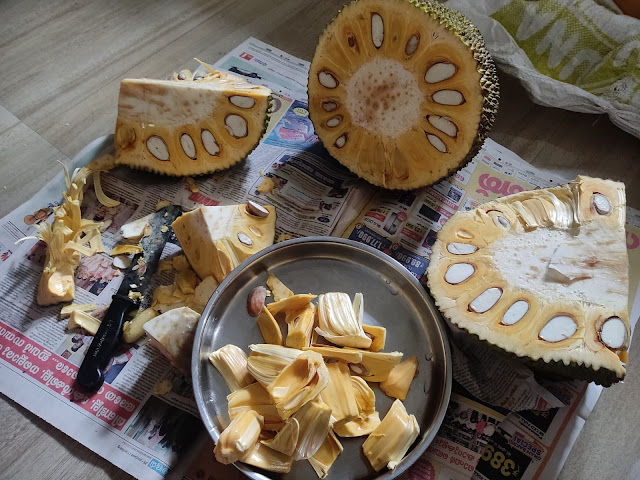
Then we hear the news that he cut all the rubber trees and banana and planted a special variety of Jackfruit tree which he named 'Ayurjack'. He discovered this jackfruit tree and it was very tasty and hence propagated it using budding and it gives fruit in 1.5 years. He realised its potential and planted around 1000 jackfruit saplings. Some of his trees have fruited and it looks fascinating and he became famous. He runs a nursery of jackfruit saplings and sells it at rupees 500 onwards and big saplings costs 1500 rupees. Whether this is same as popular Vietnamese early gold jackfruit, not sure?


I visited his farm with my friend and bought two saplings for 600/ rupees each. Even though I am not a fan of budded trees, thought of trying it out. Took around 2x2x2 feet pits and filled with dried cowdung and neem cake (little bit) and then planted it.

Some youtube videos about Ayurjack jackfruits

https://www.youtube.com/watch?v=GyJIglaZF8M

https://www.youtube.com/watch?v=WaV1efggyLI

https://www.youtube.com/watch?v=JLqz7C9rheI


19-January-2019

Ayurjack saplings in my backyard


05-Feb-2019
There are some debate happening whether the Ayur Jack is Vietanamese early or not. Here is some video which explains some findings, it looks like it is Vietnamese early Jack fruit.

https://www.youtube.com/watch?v=WQagnwbNmdo&feature=youtu.be


14-Feb-2019

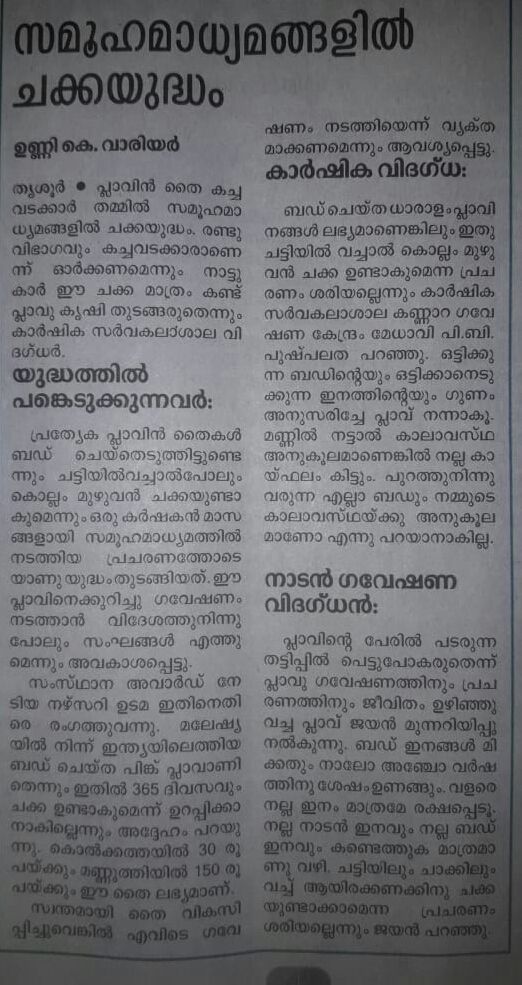
A recent report which came in news paper about the Ayurjack issue


07-March-2019


29-August-2019


06-October-2019


28-November-2019


26-June-2020

After the rains, they are picking up


10-September-2020


Add caption

16-April-2021


One tree started fruiting...


26-August-2021


One branch fell off, hence cut the top..can see small jackfruit coming up


Jackfruits started growing..3 are there in one bunch


20-Sept-2021

It completed 2 year 8 months..fruits are growing OK, even though small..


Making sure that fruit is ripe on the tree itself...as per one person, only one should be allowed in a bunch, others should be removed so that they can be used to make curry

10-October-2021
---------------------

Finally harvested it, yet to ripe and taste. This didn't ripe well.

14-January-2022

Got one more jackfruit, this time harvested it after it was ripe on the tree, smell is very sweet after ripening


It tastes sweet and good

18-01-22

Got one more ripened jackfruit...sweet smell was coming and then plucked it, tastes very good


12-July-2022


fruit got in rainy season was not good, better to use them in raw form as vegetable. Now small ones are being formed..

07-October-2022


Gave few young jackfruits to neighbours and we also used some. Today sold few of them to a vegetable vendor and it was 7.5Kgs and they took it at 50/- per kg, that was a decent income. Few bigger ones were rotted and lost it, may be because of rain.

9-November-2022


Got one fruit, taste was not that good, may be because of the rains..

06-Feb-2023


Got two more,taste was not upto the mark, I have 2 trees at home and 5 trees at farm, won't be planting any more of this item, wanted to try other varieties like J33 and Combodian Jack

Tuesday, January 22, 2019

Humus Formation


Humus formation in tropical climate is less since temperature is high and at high temperature mulching materials oxidise and lost to atmosphere. When we grow cover crop in rainy season and by the time mulch is formed and by the time it is useful for next cropping cycle, much of it will be lost in the summer coming after the rains. 

I grow cover crop like sunhemp, pureria javanica and also leguminous trees like glyrecedia and subabul. Initially I had a confusion when to cut and mulch these covercrops. I could see that when I cut the covercrop or leguminous trees after rain stops, then the cover will be lost and it becomes very dry. So I stopped cutting any grass or covercrop or tree cover after the rain. So basically to form good humus in your farm, grow as many different types of covercrops and after cutting and mulching, make sure there is good shade for the mulch. Another option is to make trenches in the farm and then mulch the trenches, since sunlight and wind does not reach trench directly, good humus will be formed here.

Recently while reading the book 'Restoring the Soil' by Roland Bunch came across the following text.

A combination of two or three gm/ccs may provide the best results. For example, using trees and another type of low growing gm/cc could be a practical answer to this problem. By reducing the ambient temperature at least 10°C, dispersed trees can cool the fields enough so that the gm/ccs’ organic matter will not be burned off, and the soil’s fertility can be maintained. The temperature can be lowered even more if the trees are not pruned until the months right before the next rainy season, as is normally the case. Thus, dispersed shade can largely eliminate the problem of dry season burn-off of the gm/ccs’ organic matter and nitrogen.

Some more informations about green manuring...


"Agronomists have argued that green manuring will increase either the humus content or the supply of available nitrogen in the soil, but rarely both at the same time. The humus content is only increased appreciably if material fairly resistant to decomposition is added to the soil (high Carbon:Nitrogen ratio), and this type of plant material is typically low in nitrogen (less than 1.5 per cent on a dry-weight basis). The available nitrogen supply is only increased if readily decomposable material high in nitrogen, such as immature green plants, is incorporated into the soil. The amount of organic matter that may accumulate will vary with the soil, climatic conditions, and the age and type of crop.

The accompanying diagram shows that mature residues, whether legume or non-legume, have a much higher C:N ratio than do the younger succulent materials. Also, the legume crops, which have two to three times the nitrogen content of the non-legumes, have lower C:N ratios throughout their life cycles, and even if turned under when mature (e.g. 3rd year alfalfa, 2nd year clover) will yield their nitrogen more quickly than if oats or buckwheat straw were ploughed under. "

Saturday, January 12, 2019

Parachute rice planting

Read about the Parachute rice planting from the Kerala agriculture magazine 'Kerala Karshakan' 2019 January issue. Later saw this in Mathrubhoomi agriculture news and when searched in youtube, there were more videos about this, was surprised to find this.

Basically seeds are germinated in trays filled with manure and soil, then 12-15 old seedlings are pulled out from tray and thrown across the field. The field is prepared in conventional manner by tilling and puddling and made muddy. The seedlings land with base and may be lying in the filed, but later gets up.

Planting in line also is possible and can be used for SRI planting.


https://www.mathrubhumi.com/agriculture/success-stories/parachute-farming--1.3367880

https://www.youtube.com/watch?v=u6p44zjuEcg - Parachute paddy cultivation in Srilanka

https://www.youtube.com/watch?v=O5Wf__ZrTBs

https://www.youtube.com/watch?v=cYt3CyJlXUg

https://www.youtube.com/watch?v=0_BT3E3JlnI - How to planting rice parachute

Saturday, January 5, 2019

Sabi - Female farmer from Wayanad - Making a living from 0.1 acre of land

Came across a video about a women farmer from Wayanad called Sabi who makes a living from her 0.1 acre of land. Here is the summary of story...


Sabi and her husband Rahim are from Trivandrum and at one stage of life, they lost all what they had earned and relocated to Wayanad where they bought 0.1 acre of land which was barren land. There were inspired by a malayalam movie called 'Valsalyam' where Mammooty plays the lead role. He looses his entire property as part of family settlement and at the end of the film, he moves to a barren land and starts his life from there as a farmer.

Since Sabi just owns 0.1 acre land, no banks considered her as a farmer since as per the standard farmer needs 0.2 acre. Finally she takes loan from her uncle and buys 4 goats and sets the farm, later she sets up a shed and buys 1000 button quail (kada in Malayalam). Her house is at one corner of the land which is just 300 square feet and the rest of the place is fully utilized for farming. 

After 45 days, button quail lays eggs and gets around 800 eggs which she sells at two rupees per egg, spends around 700 rupees for food and net profit is around 900 rupees per day.


Right now she has around 13 goats and she has around 10 baby goats for selling and earns her around 150000 rupees per year. She cultivates vegetables around the house and does not have to buy any vegetables from and sells surplus. This earns her around 8000 rupees per month. Overall she makes a comfortable living from 0.1 acre of land. In addition, she has many fruit trees planted and also feeds lot of birds which makes them happy. Green leaves and manure from goat,quail,chicken etc are used as manure and is completely organic.


https://www.youtube.com/watch?v=Ifmvj8D3MRM

https://www.youtube.com/watch?v=MdDbnSaBj1A&t=600s

https://www.youtube.com/watch?v=P261LZYQSKc

This is quite inspirational, and many can make a living with integrated farming of animals,birds and cultivating vegetables.